
Toll FREE: 1.877.965.2140
International: 1.805.322.0005

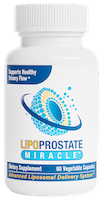
As low as $39.95 per bottle
When it comes to prostate health, There really are only 4 essential nutrients:
So why do many prostate pills contain every ingredient under the sun?
This practice is actually quite common in the nutraceutical industry. The term "window dressing" is used to describe a label which tries to impress with a long list of ingredients (typically, with ingredients you don't need). Many manufacturers favor "window dressing" labels, because they believe it gives them a competitive advantage over similar products (that may contain less ingredients).
- They may very well be right
- Many consumers are easily tricked into believing that more ingredients is better.
- The truth is that there is no advantage to a "window dressing" product, unless each ingredient is provided in a therapeutic dose. Most ingredients offer very little (if any) health benefits when taken in less than a therapeutic dose. Unfortunately, most "window dressing" products do not contain therapeutic doses of each ingredient rendering them nearly worthless.
- On top of that taking any ingredients (that you don't need) increases the odds of experiencing:
- a side effect
- an intolerance reaction
- an allergic reaction
Some manufacturers like to make claims about how strong their product are, often exceding the
therapeutic dose. They believe this gives them a competitive advantage over similar products.
- They may very well be right about that too.
- Many consumers are easily tricked into believing that stronger is better.
- In most cases, exceeding an established therapeutic dose, provides no addtional benefits.
-
On top of that, consuming a higher dose than you need
(of any ingredient) increases the odds of experiencing: - diarrhea
- constipation
- gas, bloating or other symptoms of GI disress
The Miracle Of Beta Sitosterol
For decades, herbs such as Saw Palmetto, Pumpkin Seeds, Stinging Nettles
and Pygeum Africanium have been widely promoted for prostate support.
-
The truth is that there has never been any science to substantiate the efficacy of
these herbs, to justify their consumption, yet amazingly, even today countless men
continue to waste their money on these worthless herbs.
It turns out that the common ingredient (in these herbs) is a substance called beta
sitosterol which CAN actually DO what saw palmetto (and these other herbs) can NOT.
- The concentration of beta sitosterol in saw palmetto and those other herbs is very small.
- at best . . . a mere 3,000th of the amount found in the phytosterol extracts available today.
-
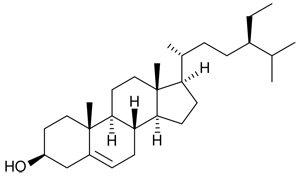
Beta Sitosterol is completely safe and without any side effects. It has chemical structure
similar to that of cholesterol (the main difference being the presence of an extra ethyl group).
-
There isn't any natural supplement, studied more extensively (for supporting prostate health) than
beta sitosterol, which is why it has been a key ingredient in Prostate Miracle® since its inception. -
For decades, numerous international scientific journals including "European Patent", "The Lancet"
"European Journal of Drug Metab", "International Journal of Immunopharmacol", "Anticancer Research",
"European Urology", "Minerva Urologia", "British Journal of Clinical Pharmacology", "Medizinische Klinik",
"Fortsher Med". and many others, have published their very impressive findings.
Pine Sterols are THE Best Source of Beta Sitosterol.
Phytosterols (also known as plant sterols) are a group of steroid alcohols, which occur naturally in plants.
Included in this group are the sterols: Beta Sitosterol, Campesterol, Stigmasterol, Brasicasterol;
as well as the stanols: Campestanol and Stigmastanol. Of all the components in this phytosterol mix,
the one most import for prostate health is beta sitosterol.
- Back in the 1980's sugar cane was the most common botoantical used to extract beta sitosterol
- In the early 2000's China began to dominate the beta sitosterol extract market, using soy as their source.
-
Whether it was sourced from sugar cane or soy . . .
40% extracts were the maximum strength technology could achieve in those days. -
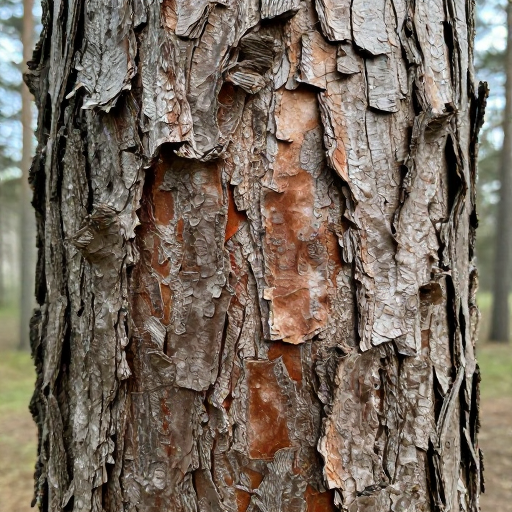
More recently, 80% beta sitosterol extracts (from pine bark) became available. These pine sterols
are significantly more pure and have double the potency of other extracts and are also NON GMO.
The Problem with Beta Sitosterol
Although now well established as the gold standard for natural prostate support, Beta Sitosterol
(even the far superior extract from pine bark) is in fact a fat soluble substance and consequently
has somewhat poor bioavailability, as is typical of most fat soluble encapsulated powders.
The Solution: Advanced Liposomal Delivery System™
-
Our Proprietary Advanced liposomal Delivery System™
significantly increases the bioavailability of beta sitosterol.
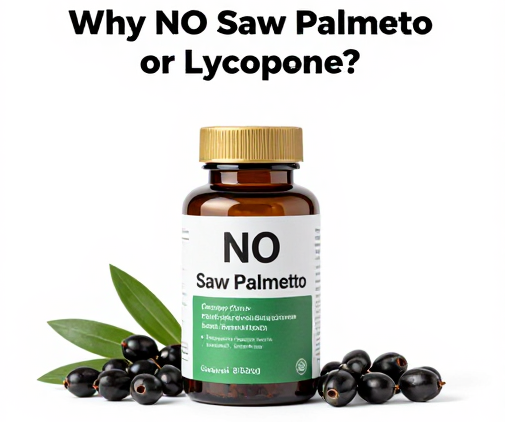
Saw palmetto (also known as Serenoa Repens) is a low-growing, small palm tree with fanlike, fingery fronds and small berry-shaped fruits. Saw palmetto is native to and grows exclusively in the USA, primarily in Florida and near by vicinities.
We've already discussed how despite its persistant use . . .
- Saw palmetto is essentially worthless in promoting prostate health.
- Multiple high-quality studies, including landmark trials published in the New England Journal of Medicine (2006) and JAMA (2011), found saw palmetto to be no more effective than a placebo for relieving urinary symptoms from an enlarged prostate (BPH),
- New England Journal of Medicine (2006): This large, year-long study following 225 men, showed saw palmetto provided no benefit over a placebo for BPH symptoms, with blinding confirmed by the participants' belief they were getting the real treatment.
- Journal of the American Medical Association (2011): This major study, involving nearly 370 men, found saw palmetto didn't improve urinary issues more than a placebo, even when the dose was tripled for over 72 weeks, solidifying earlier findings.
- National Center for Complementary and Integrative Health (NCCIH): A 2011 review of 30 randomized controlled trials also concluded saw palmetto was ineffective compared to a placebo.
-
The reason why saw palmetto (and so many of the other popular herbs) dont have any
therapeutic value is because they contain such a low concentration of beta sitosterol. - Saw palmetto powders have about 1/6000 of the beta sitosterol that pine sterols have
-
Even the very very best saw palmetto extracts
(which make label claims of 95% fatty acid and sterol)
actually only have 5% sterols, meaning your would still need to
swallow 600 capsules to get the same amoount of beta sitosterol
as you would with a serving of pine sterol extracts.
Saw Palmetto may actually be Harmful to your Prostate.
Three recent scientific studies, surprisingly indicated that saw palmetto may actually harm your prostate health! These studies, which were investigating the effect of saw palmetto on prostate tissue all came to the same conclusion: Saw palmetto has an effect similar to chemotherapy on prostate cells - it kills both unhealthy and healthy cells!

- One study published in Prostate (2000 Nov) examined the effect of saw palmetto on stroma cells (the framework cells that build supportive tissue) and on epithelial cells (those which line the glands and ducts of the prostate). The study was done on normal prostate tissue and on BPH tissues from patients treated with and without the saw palmetto. The conclusion was that saw palmetto damages the nuclear and mitochondrial membranes, and causes cellular death in the epithelium and stroma.
- Another study published in the Journal of Urology (2000 Nov) investigated the effects of saw palmetto on primary cultures of fibroblasts (cells that produce connective tissue), and epithelial cells from the prostate, epididymis (the tube that provides for the storage, transmission and maturation of sperm), testes, kidney, skin and breast to determine if the action of saw palmetto is selective and specific to prostate tissue. This study concluded that saw palmetto caused damage and death in prostate tissue, though there were no similar changes observed in other types of cells.
- A third study published in Prostate (1999 Sep) examined the effect of saw palmetto on benign prostatic hyperplasia (BPH). Again, the results showed there was widespread damage of intracellular membranes, including mitochondrial and nuclear membranes in both healthy and overgrown prostate tissue.
In light of this new information, it seems prudent to avoid saw palmetto. Its toxicity to healthy prostate cells is reason enough to be concerned about taking saw palmetto.
Lycopene is a Fraud.
Many Prostate Formulas contain lycopene and according to Roger Mason "Lycopene is a fraud, a hoax, a deceit and deception." Nearly every single "study" that has been published on lycopene has simply been a paid advertisement in a journal funded by and paid for by Lyco-Mato in Israel. This isn't science- it is advertising. If lycopene had any value scientists around the world would be using GENERIC lycopene in double blind studies to prove its value.
Research update Feb 2011 The American Association for Cancer Research, just published the results of their latest study of lycopene and prostate cancer prevention and concluded that "Lycopene has no role in prostate cancer prevention." Click here to see the details of their study.
A few years back, there was a published article stating that blood studies of lycopene prove it is effective in treating prostate disease (Pure Appl. Chem. v. 74 in 2002). There were however, serious flaws in the methodology used. It turns out that the researchers measured plasma lycopene levels. The problem with that is that plasma does not carry lycopene. Only the blood serum absorbs the lycopene. Countless, proper serum studies of tens of thousands of men prove beyond any doubt that blood serum lycopene levels are completely unrelated to prostate health in any way, shape or form.
Ohio State University concluded in an extensive review (Pure Appl. Chem. v. 74 in 2002), "The consumption of lycopene supplements is not currently recommended for prostate cancer prevention or therapy".
The famous Hutchison Cancer Center (JNCI v. 92 in 2000) basically concluded lycopene is useless when it comes to prostate health.
Ed Giovannucci has been the biggest supporter of lycopene, but even he admits (Proc. Soc. Exp. Biol. Med. v. 218 in 1998), "However, it is premature to suggest that either tomatoes or lycopene is causally related to protection from prostate cancer or that the consumption of products rich in lycopene will have a beneficial effect for men suffering from established prostate cancer."
The Japan-Hawaii Cancer Center (Cancer Epidem. Biol. Prev. 6 in 1997) studied serum from 6,680 men and found it unrelated to prostate health.
The biggest of all studies from NIH and Johns Hopkins University (JNCI v.82 in 1990) studied the serum of 25,802 men and found no relation whatsoever with prostate health and lycopene levels.
We could go on all day with such studies to prove the lycopene is a useless promotion for profit but you get the idea by now.
The Importance of Zinc for Prostate Health

Zinc is a vital nutirent, particularly for men, which is why its known as the "male mineral."
- There’s more zinc in your prostate than in any other organ.
- A health prostate can have up to 9 x more zinc than an unhealthy one.
- It is well known that neoplastic diseases, inflammatory diseases, infections and other stresses lead to changes in zinc metabolism, which results in lower blood serum zinc levels in general and lower zinc prostate levels in particular.
- Men with prostatitis typically have 90% lower zinc levels in their prostate than men without prostatitis.
- Men with prostate cancer typically have 83% lower zinc levels in their prostate than men without prostate cancer.
- Men with BPH typically have 61% lower zinc levels in their prostate than men without BPH.
- Zinc plays an important role in your sex life.
- Zinc is needed to produce sperm and semen.
- Low levels of zinc can lead to erectile dysfunction and infertility problems.
- Maintaining sufficient zinc concentration in the prostate is vital to promoting optimal prostate health.
- Unfortunately, zinc is generally not very absorbable
- This is exactly why we formulated Lipo Prostate™ zinc bisglycinate,
- Zinc bisglycinate is water soluble has far superior absorption than any other form of zinc.
- The possible mechanisms of how high zinc levels possitively impact prostate health include:
- the effects of zinc on the inhibition of terminal oxidation,
- induction of mitochondrial apoptogenesis and suppression of NF-kappaB activity.
- Zinc may also play an important role in the maintenance of tissue by modulating DNA repair of damaged response proteins.
The specialized function of the normal prostate glandular epithelium (to produce and secrete enormously high levels of citrate) requires unique intermediary metabolic activities, that are not generally associated with other normal mammalian cells.
The accumulation of zinc in normal prostate glandular epithelial cells is associated with genetic alterations, impacting the expression of ZIP1 zinc transporters, which are involved in the inhibition of citrate oxidation. This inhibition is necessary for normal prostate function.
Sufficient zinc levels are critical for these genetic/metabolic relationships, which have important consequences on citrate-related metabolism, bioenergetics and cell proliferation.
It appears that altered zinc metabolism may play an important role in prostate pathogenesis. Further studies are needed to clarify whether the zinc concentration found in specimens of urine, blood plasma and prostate biopsies (from patients presenting with symptoms of prostate pathology) will be useful in the differential diagnosis of prostate disease.
Dietary Sources of Zinc
Zinc is found in a wide variety of foods, including red meat and poultry. Other good food sources include beans, nuts, certain seafood, whole grains, fortified breakfast cereals, and dairy products. Zinc absorption is greater from a diet high in animal protein than a diet rich in plant proteins.
Selenium and Prostate Health
When was the last time your doctor suggested that you supplement with selenium in an effort to prevent cancer?
Probably never . . . But did you know that researchers have been studying the plausibility of such a suggestion?
Scientists know that this trace mineral has some extraordinary properties and have been aggressively investigating it's health supporting potential. Research is currently being conducted to see if selenium might have any impact on the risk of getting prostate cancers and other conditions involving oxidative stress and inflammation.
Doctors assume that we get enough selenium through plant foods. Unfortunately, in many places in America and the rest of the world, including China and Russia, the soil is badly depleted of its selenium content because of acid rain, which can dramatically change the chemical composition of the soil. As a result, soil acidification alters the ability of the soil to bind with vital elements such as selenium for assimilation into edible plants.
Selenium has unique biochemical properties
What makes selenium unique? While scientists are still studying selenium’s role in a multitude of biochemical processes, one of its chief attributes is serving as a component of specific proteins called selenoproteins. Almost all of these proteins are active in the scavenging of free radicals.
Selenium is the only mineral nutrient that has its own DNA code, which instructs the body’s protein-synthesis “machinery” to incorporate selenium into its host proteins. Scientists interpret this unique attribute as evidence of selenium’s fundamental importance to virtually all living things on Earth.
Selenium is available from many dietary sources, including garlic, Brazil nuts, and certain vegetables; however, the amount of bioavailable selenium from these sources varies tremendously, depending on the soil and weather conditions where the plants are grown. Furthermore, many foods containing selenium also contain substances that limit selenium’s bioavailability. Therefore, selenium supplementation is often recommended as a way to assure a dependable, bioavailable supply of this nutrient.
As scientists continue to discover the many ways in which oxidative stress is related to inflammation and its destructive consequences—from atherosclerosis to prostate, lung, colon, and other cancers, trace minerals such as selenium are likely to be the subject of even more research.
Selenium Chelates versus Selenium Glycinate Complex
There is a great deal of confusion regarding selenium chelation. Many raw material suppliers provide, what they call a "selenium amino acid chelate", but that term is actually a misnomer. In order to clarify this often misunderstood subject, it is first necessary to understand chelation in general.
Most minerals are somewhat bio-unavailable because they typically carry a charge. This charge relates to the valance or state of free electrons in the outer shell of the mineral's atomic structure.
Regardless of whether the mineral is in the form of a salt or is in an ionic state, if it has a charge . . . it will have difficulty passing through cell membranes (where it is needed by the cells). This difficulty is due to interference from the charge of the cell membrane, which like the charge of a magnet, will either repel the same charge or attract the opposite charge. In either case, the charged minerals's ability to pass through the cell membrane will be impeded resulting in less than optimal bioavailability.
Chelation is a technique sometimes deployed to improve the bioavailability of these charged minerals. The idea is to wrap an amino acid molecule around the mineral so that it will bind to the mineral in two spots, resulting in a neutral, stable, chelated mineral, which can then pass through the cell membrane much easier than it's ionic or salt counterpart.
Chelation occurs when unpaired electrons become non-ionically bound to the electron deficient environment of the positively charged central ion. EVERY amino acid (including glycine) has both a carbonyl end and an amine end. Though, neither end functions as a "negative group", both ends have a set of unpaired electrons. Thus ALL amino acids can form coordinate complexes in two places making them ideal chelating agents.
Selenium has six valance electrons and typically carries a -2 charge. Furthermore, because it's outer shell is lacking only two electrons from having a closed shell configuration, it wants to receive a pair of electrons in order to complete it's shell. Once the shell is complete however, it is not possible to transfer another pair of electrons to it.
For this reason, it is physically impossible for any chelating agent such as glycine (or any other amino acid) to bond with a selenium ion in two sites, so by definition, selenium can not be chelated. In other words, there is no such thing as a selenium chelate.
None of those so called "selenium amino acid chelates" are actually chelates at all. They are typically just a selenium salt combined with a hydrolyzed vegetable protein, having a bioavailability that is not any greater than just the selenium salt or selenium ion.
It turns out that the best way to improve the bioavailability of selenium is to bond it to glycine (an amino acid), resulting in a selenium glycinate complex, which although not neutral, has a -1 charge, and as a result has a much easier time passing through a cell membrane than do mineral salts, ions or any of the so called "selenium chelates".
The selenium we use in Prostate Miracle® Advanced Formula is Albion® Selenium Glycinate Complex, made by Albion Laboratories, Inc., an industry leader in manufacturing chelated minerals since the 1950's. If there was a way to chelate selenium, they would certainly be producing it, but because it is not possible (due to the atomic structure of selenium), they produce the next best thing, which is Albion® Selenium Glycinate Complex.
It is worth noting that, the glycine used in producing Albion® Selenium Glycinate Complex is NOT derived from any GMO source. I am unaware of any prostate support formula out there (other than Prostate Miracle® Advanced Formula) that uses Albion® Selenium Glycinate Complex as it's source of selenium. Even if all of the other ingredients in a formula are derived from non GMO sources, if it contains one of those so called "selenium amino acid chelates", it is not likely that a legitimate "all non GMO ingredients" label claim can be made.
A daily serving of Prostate Miracle® Advanced Formula provides 70 mcg of non GMO Albion® Selenium Glycinate Complex, which is an optimal amount to support prostate health.
Vitamin D3 and Prostate Health
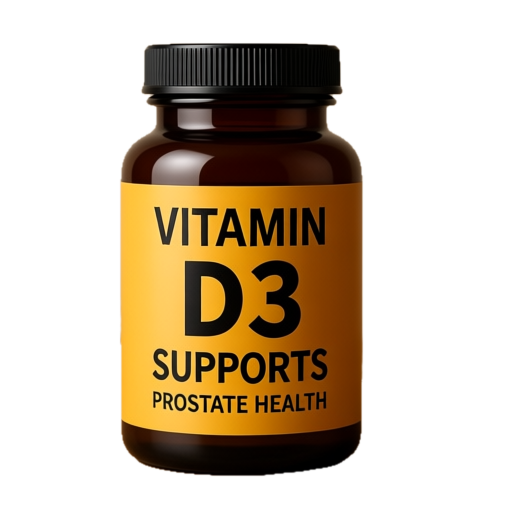
Vitamin D is also known as the "sunshine vitamin" because skin produces vitamin D when it is exposed to sunlight. Our vitamin D levels tend to drop off with advancing age, and deficiency is more common in seasons and regions that get less sunlight and in people with darker skin, which naturally blocks the sun.
Vitamin D has been studied for hundrerds of years and there is an impressive body of research confirming how essential Vitamin D in supporting a healthy immune system and in promoting proper mineralization of calcium. There are many other ways Vitamin D supports overall health.
- In a recent study, published in (Cureus. 2024 Dec 2), Researchers did an analytical cross-sectional study looking at an "Association of Vitamin D and Prostate Health Status in Men", in which they conluded:
-
Lower 25 hydroxy Vitamin D levels (the bio marker for measuring vitamin D3)
were associated with higher PSA scores. -
There have been many studies that have investigated the
relationship of 25 hydroxy Vitamin D levels and prostate cancer -
To avoid any heat from the FDA, we have chosen NOT to cite any of
these studies (or quote their conclusions), but there is nothing
to stop anyone from looking them up yourself. - We believe that anyone who is concerned about their prostate health should be taking Vitamin D3 daily.
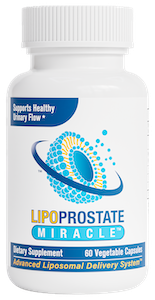
LipoProstate Miracle™
- 1 bottle
- $39.95
- 2 bottles $35.95 each
- $71.90
- 3 bottles $32.95 each
- $98.85
- 6 bottles $29.95 each
- $179.70
Other Products Available from: NHS Global Distributors LLC
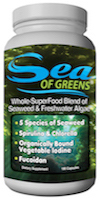
Sea of Greens®
A Whole-Superfood supplement, combining an optimal blend of sea vegetables and Freshwater algae.
read more
Pectin Plus®
Supports healthy detoxification, healthy blood pressure, healthy cholesterol levels and prostate health
read more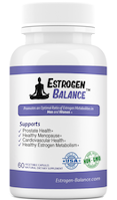
Estrogen Balance®
A natural formula for Men & Women, combining: D.I.M., Quercetin and Flaxseed.
read more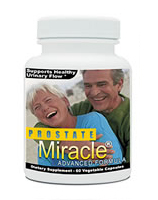
Prostate Miracle®Advanced Formula
2nd generation upgrade to our original Prostate Miracle®. This highly effective, natural, time-tested formula contains pine derived beta sitosterol (NON GMO and NOT Chinese).
read more
Contact
255 Rivertown Shops Dr.
Saint Johns, FL 32259
International: 1.805.322.0005

Thanks for your Interest in LipoProstate Miracle™
This information here within is designed to provide accurate information in regard to the subject matter covered. It is provided with the understanding that NHS Global Distributors, Inc. is not engaged in rendering medical advice. If expert assistance is required, the services of a competent medical professional should be sought. These statements have not been evaluated by the Food and Drug Administration. These products are not intended to diagnose, treat, cure or prevent any disease. Always read and follow manufacturer's directions that come with this product.
You are protected by the FDA Dietary Supplement and Nonprescription Drug Consumer Protection Act
please call 877.965.2140 or Click here to report any Adverse Reaction with LipoProstate Miracle.